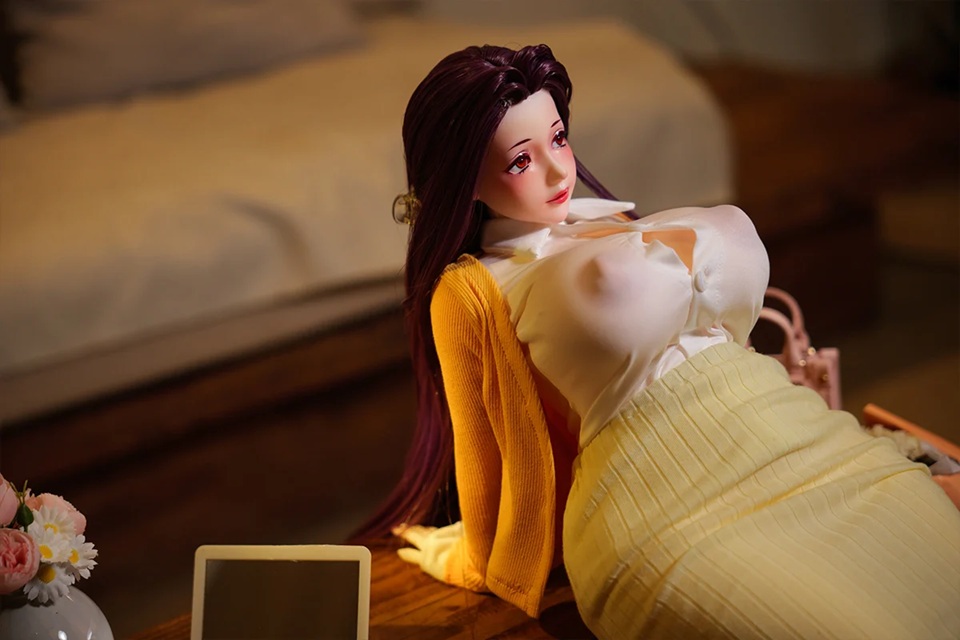
The cultural perception of intimacy and companionship is undergoing a significant transformation, particularly in how society views the role of sex dolls in men’s lives. What was once relegated to the shadows of taboo is now entering public dialogue with a surprising level of nuance and acceptance. The modern sex doll for men is no longer a punchline or symbol of desperation—it is increasingly seen as a personal choice that reflects deeper themes of self-expression, emotional need, and autonomy. As companies like Acme Joy respond to rising demand, they are helping to reshape not just a market but also a cultural narrative.
For decades, the concept of men owning sex dolls was met with ridicule, often misunderstood or caricatured in media and popular culture. These depictions failed to capture the complexity behind the decision to welcome a doll into one’s life. But as technological advancements made sex dolls more lifelike and customizable, the conversation began to shift. Realism, both in appearance and texture, has elevated them from simple adult novelties to objects of personal meaning. This evolution is forcing society to reconsider its assumptions about masculinity, loneliness, and the need for companionship.
Today’s cultural shift is rooted in a broader societal movement toward acceptance of diverse lifestyles and mental health awareness. People are beginning to understand that intimacy is not a one-size-fits-all experience. A man choosing to share his space with a sex doll is not necessarily doing so in lieu of human connection, but rather as a way to fulfill emotional and physical needs on his own terms. This decision can represent independence rather than isolation, and in many cases, healing rather than avoidance.
The conversation around sex dolls now often includes issues of mental wellness, particularly for those who struggle with social anxiety, trauma, or feelings of alienation. A sex doll for men may offer a sense of safety and stability in a world that can feel overwhelming or judgmental. The presence of a doll can ease emotional burdens and provide a calming consistency, something human relationships sometimes lack. Men who have difficulty forming or maintaining connections often find peace in the silent but comforting presence of a doll.
Social media and online communities have also played a significant role in this cultural shift. Forums and platforms dedicated to doll ownership are spaces where men can openly share their stories without fear of shame. These stories often reveal a surprising emotional depth, painting a very different picture from outdated stereotypes. Men talk not just about the physical appeal of their dolls, but about routines, care, affection, and the sense of partnership that grows over time. These narratives are gradually changing the public discourse.
As more men embrace this unconventional form of intimacy, the stigma that once surrounded sex dolls is beginning to erode. What remains is a more empathetic understanding of why someone might choose such a companion. While the motivations vary—ranging from creative expression to emotional comfort—what unites them is a desire for connection, even if it doesn’t take a traditional form.
The rise in demand for dolls tailored to specific personalities and features reflects a cultural desire for individualized experiences. Brands such as Acme Joy cater to this need, allowing men to create companions that align with their unique ideals and preferences. This customization process itself becomes an act of emotional investment, reinforcing the idea that these dolls serve purposes far beyond mere physical gratification.
In a time where human interaction can feel increasingly transactional or unpredictable, the decision to connect with a sex doll is not a retreat from reality but rather a personal adaptation to it. As society continues to broaden its definition of intimacy, the presence of sex dolls in men’s lives may no longer be seen as fringe, but as part of a larger narrative about human needs, freedom of choice, and the many forms that love and companionship can take.