Cogged V Belts Explained: Leading Manufacturers of High-Performance Industrial V Belts

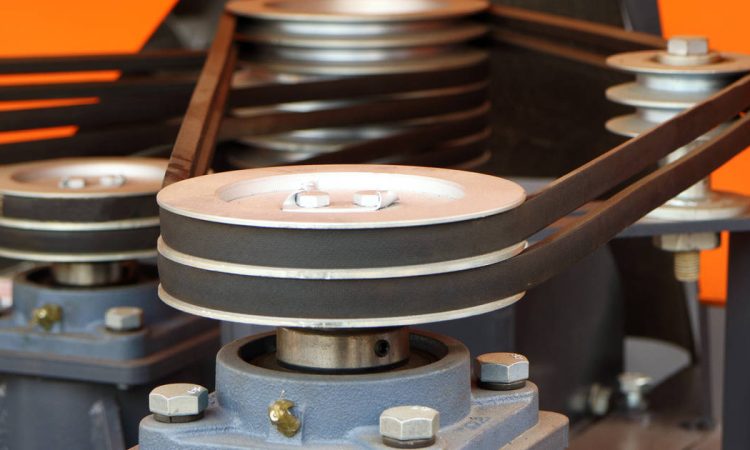
Power transmission systems are the backbone of many industrial operations. From manufacturing units to heavy-duty machinery, belts play a crucial role in transferring power efficiently and reliably. When performance demands increase, standard belt solutions may fall short, leading industries to adopt advanced belt designs built for durability and precision.
Among these solutions, cogged belts have become a preferred choice for applications requiring flexibility, improved grip, and consistent power delivery. Understanding how these belts work and why they outperform traditional options helps businesses make smarter equipment decisions.
What Makes a Cogged V Belt Different?
A cogged v belt is designed with notches or grooves along its inner surface. These cogs reduce bending resistance, allowing the belt to flex more easily around pulleys. As a result, power transmission becomes smoother and more efficient.
Compared to conventional belts, a cogged v belt generates less heat during operation. Reduced heat buildup directly contributes to longer belt life and improved system efficiency. This design also enhances contact with pulleys, minimizing slippage under load.
Because of these advantages, cogged belts are widely used in systems where reliability and consistent torque transfer are essential.
Performance Advantages in Industrial Applications
Industries favor cogged belts for their ability to perform under demanding conditions. Their structural design supports high-speed operations while maintaining stability and control.
Key benefits include:
- Improved flexibility and reduced energy loss
- Better grip and reduced slippage
- Lower operating temperatures
- Enhanced durability in continuous-use environments
These characteristics make industrial v belts with cogged profiles suitable for machinery that operates for extended periods without interruption.
The Role of Cogged Belt Manufacturers in Quality Assurance
The performance of a belt depends heavily on manufacturing standards. Reputable cogged belt manufacturers focus on material quality, precision engineering, and rigorous testing to ensure consistency.
Experienced cogged belt manufacturers understand that even minor variations in belt construction can affect efficiency and lifespan. This is why attention to rubber compounds, tensile cords, and dimensional accuracy is critical.
Manufacturers specializing in cogged belts also support customization, enabling belts to be tailored for specific machinery requirements, load capacities, and operating environments.
Why Industrial V Belts Are Essential Across Sectors
Industrial v belts are used across a wide range of sectors, including manufacturing, processing plants, agricultural equipment, and heavy machinery. Their adaptability allows them to handle varying power loads while maintaining reliable performance.
Cogged designs further enhance the value of industrial v belts by reducing friction and improving power transfer efficiency. This translates into smoother operations, lower maintenance requirements, and reduced downtime.
Industries that rely on continuous production cycles benefit significantly from belts that deliver predictable and stable performance.
Choosing the Right Belt for Long-Term Efficiency
Selecting the right belt involves more than matching size and speed ratings. Environmental factors such as temperature, load variation, and operational duration all influence belt performance.
A well-designed cogged v belt supports better alignment and minimizes wear on both the belt and pulley system. When sourced from reliable cogged belt manufacturers, these belts contribute to overall system longevity.
Decision-makers often prioritize belts that reduce maintenance frequency and energy consumption, making cogged belts a practical long-term investment.
Common Industrial Applications of Cogged Belts
Cogged belts are widely used in applications where efficiency and durability are critical, including:
- Manufacturing machinery and conveyors
- Industrial compressors and pumps
- Agricultural and processing equipment
- HVAC and ventilation systems
In each case, the reliability of industrial v belts directly impacts operational output and equipment lifespan.
Supporting Operational Reliability Through Better Belt Design
Modern industrial environments demand components that perform consistently under pressure. Advances in belt design have allowed cogged belts to meet these expectations without increasing system complexity.
By reducing friction and improving flexibility, cogged belts help machinery operate more efficiently while minimizing wear-related issues. This balance of performance and durability continues to drive their adoption across industries.
Delivering Dependable Power Transmission Solutions
Supplying high-quality belt solutions designed to meet industrial performance demands, the company works closely with trusted cogged belt manufacturers to deliver durable cogged v belt and industrial v belts options engineered for efficiency, reliability, and long service life. As an experienced industrial belt manufacturer, it provides dependable power transmission components that support smooth operations and help reduce maintenance needs across various industrial applications.