A comfortable aircraft cabin does not happen by accident. Every panel is interchangeable with every seat and storage unit acting in unison. However, when one of the components is worn out and must be replaced, it makes a real difference in having exactly the right part.
Aircraft interior parts enable airlines and maintenance teams to maintain cabins in an operational, aesthetic state, able to receive people.
A Cabin is a System of Systems
Consider what takes place throughout the life of an average flight. People recline into their seats, open overhead compartments, set down their tray tables, and walk up and down aisles. Every action exerts stress on the cabin.
After years of regular use, things may start to get a bit scratched, loose, or damaged. The maintenance teams then have to trouble shoot and determine the problem before providing solution.
Common interior components include:
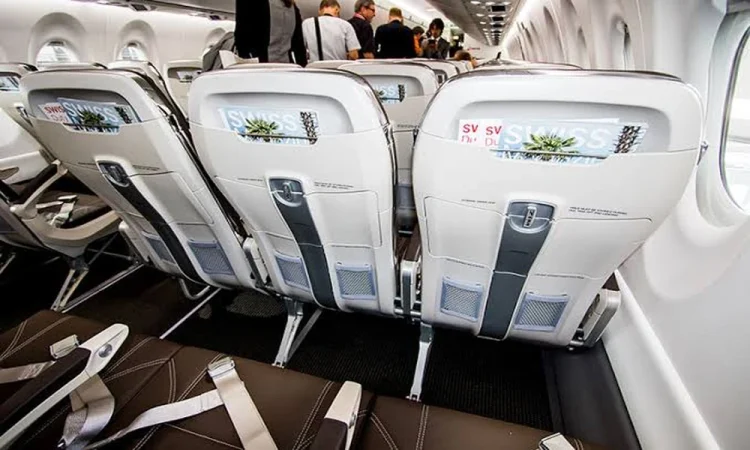
- Passenger seats and seat fittings
- Armrests and tray tables
- Overhead bins
- Cabin panels and partitions
- Galley and lavatory components
- Interior lighting and related fittings
These components may appear straightforward when viewed independently, but they have critical roles.
The Replacement Challenge
Swapping a cabin component is not always as simple as ordering an equivalent item. You are exposed to several variants of the models and configurations in the aircraft interior designs, as well as installations.
An alternative should be appropriate for the purpose intended. It must also fulfill the relevant technical and maintenance requirements.
The purchasing team should look into a few key details before sourcing aircraft interior parts. The aircraft type indicates the portion for the right aircraft and also the part number identifies what is required for some specific component. Requirements specification validates the technical and design requirements. Installation specifications allow for correct fitting and servicing of the pump, whilst documentation allows for people to do so, and records remain effective.
The slightest mismatch can add unnecessary work. That problem can be avoided with careful sourcing.
Why Cabin Quality Matters?
While onboard, passengers may never even consider the sum of its parts. All they want is a clean, comfortable, and functional cabin.
A seat fitting that’s broken or a tray table stuck up can degrade that experience. Bad cabin panels can also detract from what perception is in front of you.
That makes replacing damaged aircraft interior parts about more than looks for operators. This help keeps the cabin in good condition and enables an even passenger experience.
Maintenance Teams Need Reliable Access
Aircraft maintenance won’t always occur at the most opportune time. The replacement of a component can happen either during an inspection or after a crew member complains about it.
This is how reliable sourcing would enable teams to respond more efficiently. When there are suitable components, maintenance personnel can spend time on the repair instead of searching for alternatives.
Subscribe to an aircraft, the benefit of this can become tremendously good especially when you need some airplanes for few upcoming flights.
A Small Part Can Have a Huge Role
A cabin has many individual pieces that come together. All of them have some impact on how the airplane operates, and the passenger experience during flight.
This is the reason why you need to select suitable aircraft interior components. Support the quality of maintenance, reduce non-operational actionable delays, and keep cabins ready for next flight with right components.
Every little bit in aviation deserves its attention.